Parsha Tzav with Safta Laya
Eish Hamizbei’ch, Ha’eish al Hamizbei’ach and Eish tamid.
In 7 short verses at the beginning of this Parsha, the word Eish is mentioned 4 times. The flame on the altar, the fire on the altar and Eish Tamid- the permanent fire. This teaches us that 3 fires were burning on the Altar constantly. The Kohanim had to keep putting wood on the fires to keep them burning. The Eish Tamid was a permanent, continuous flame on the Altar and it was forbidden to extinguish it. This eternal flame is a reminder of G-d’s presence which is permanent. Rashi explains that if a fire burned continually on the Mizbei’ach, then he suggests that a fire must burn continually within us. We learn the concept that a person is a kind of altar- a channel for the service to Hashem. Lets think about the elements of fire. It is a powerful source of energy, heat, and light. Fire can also be very destructive and burn. Many sages have discussed this important point. It has been suggested that the Eish Tamid represents the two kinds of fire within us.
Firstly – the Eish Me’irah – the fire of knowledge. This fire is fueled by our intellect. This is about improving our thoughts and mind, of learning how to train our thoughts to be on the Torah, and also how to think positively about ourselves and other people. It is with intention, with conscious effort becoming a more positive person, and less judgemental of others.
Secondly – Eish Sorefes– a fire that generates heat and energy and is fueled by emotions. This is the fire of passion, excitement and enthusiasm. It is connected to the emotional element of our service to G-d. It’s important that like with a physical fire- this fire needs to be contained and channeled (Shira Smiles – Parsha Tzav).
Rabbi Dr Twerski quotes Rabbi Shneur Zalman, the Baal HaTanya, who translates this verse as: “The fire on the Altar shall be kept burning within him (the Kohen), You shall extinguish the negative.”
There is much written on the value of positive thinking. A positive attitude has a huge impact on our behavior and the function of our bodies. Studies have shown that patients who have a positive attitude have a greater chance of recovery from illness. There is also the more in depth idea that the symbolism of the offerings on the Altar is our animal nature (negative) within us which needs to be subdued, and our Divine Neshamah, which is G-dly in nature and passionately wants to unite with G-d.
The Psalmist says that a person who has a burning passion for uniting with G-d can withstand adversity, and can think positively even under the most stressful circumstances. “He will not fear bad tidings; his heart is steadfast, trusting in G-d”(Psalm 112:7)
Rav Shneuer Zalman elaborates and says a person who has the sublimating of the fire within him, can always extinguish the negative. Also the ‘Fire of Love’ extinguishes negativity. The Lubavicher Rebbe explains that we need to put fire into all aspects of our religious lives: Torah, Tefillah ( Prayer) and Acts of Kindness.
Parsha Tzav is usually read just before Pesach – on Shabbat Hagadol- the ‘Great ‘ Shabbat. WHY? The Midrash states that on this Shabbat, the Bnei Yisrael in Egypt got sheep for the Passover offering. Sacrificing the sheep was rejecting paganism, idolatory, and totally against the Egyptian rule. It was our declaration of Independence not only from the rule of the Pharoah, and also freedom to chose what is right and wrong, good and bad. Bnei Yisrael had to ‘grow up’, and mature intellectually, emotionally and spiritually and move from ‘child like thoughts, and slavery mentality, – ‘katan’ (child/ minor)- so this was the Shabbat where we asserted our maturity as ‘Gadol’. This is one of many reasons why we call this Shabbat- Shabbat Hagadol.
Another great idea that is in this weeks Parshah the ‘Korban Todah’- the Thanksgiving Offering. Rabbi Lord Jonathan Sacks zt”l says that ‘Judaism is Gratitude with Attitude’. He explains that the first words we are taught to say each morning on waking is ‘Modeh/ Modah Ani’. -‘I give Thanks’. We thank before we think…The word ‘Modeh’ ( I give thanks) is from the same root as ‘Yehudi’- Jew. Yehuda was the 4th son of Leah who said ‘This time I will thank G-d’. ‘Jewishness is Thankfulness’
There is so much written about Gratitude and being thankful about things. Research has shown that thankfulness reduces toxic emotions such as frustration, regret, resentment and makes depression less likely. Saying ‘thank you’ enhances friendships, and even makes people sleep better, and strengthens resilience. It helps people avoid over reacting to negative experiences. Saying ‘thank you’ is good for body and soul and contributes to happiness and health. It is interesting to note that when it comes to saying thank you, we can’t delegate it to someone else to do- we have to do it ourselves.
Even though we have not given thanksgiving offerings, for almost 2000 years- there is a trace of it today. It is said in the blessing form of HaGomel. The blessing of thanks to Hashem is said in Shul when we read the Torah by a person who has survived a hazardous situation, survived a sea crossing, travelled across a desert, or released from captivity.
Jewish prayer is about thanking G-d for life, our bodies, the world, our land, our eyes and everything we have.
FUN FOODS
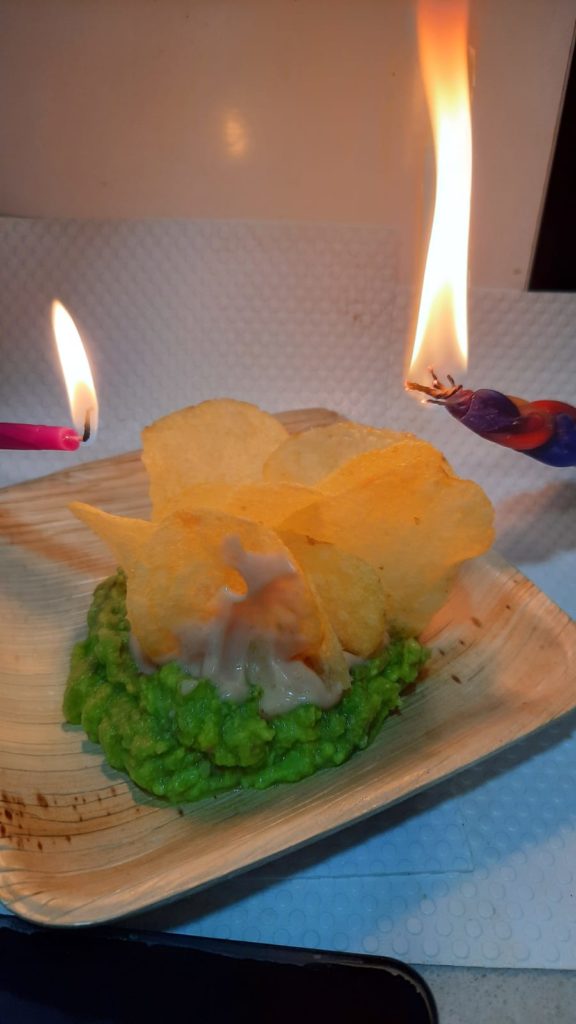
Starters – Edible fire
(And it’s Pessachdik too! YUM! -kids favorite!)
Intentionally thinking about the fire and passion of life, (Nir Tamid- the Eternal flame) and gratitude for our taste and all our senses and appreciating our food and life!
– Chips (Flames)
Dips:
– Pink sauce for flame colors-(mayonnaise and tomato sauce )
-Avocado dip ( avocado, salt, lemon juice- mashed)
FUN ACTIVITY
Put Passion, Excitement and Enthusiasm into all the Pesach Preparations. Feel the ‘fire’ and thankfulness that we have the opportunity to be together with others this year, and appreciate the miracles of our people, our freedom from Slavery, our Survival, and celebrate our Strengths as the Jewish Nation in today’s world 2021.
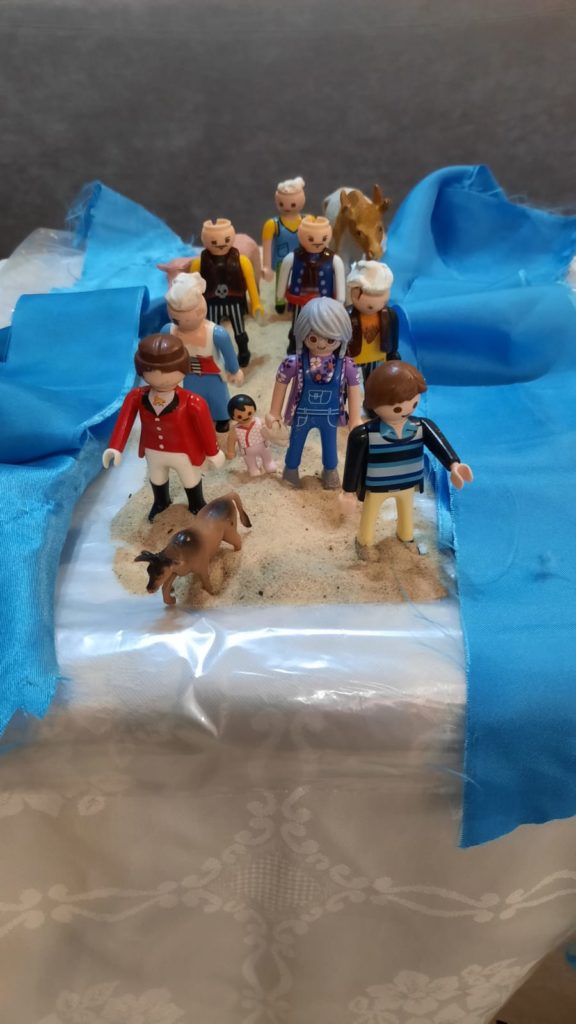
Create the scene of the Bnei Yisrael leaving Egypt walking across the sea. Use playmobile figurines, lego, toy animals, sand, and blue material or paper. Be creative, arrange it in the center of the Seder table. A fun activity for everyone to participate in. It doesn’t have to look perfect… its a great reminder of our journey from Slavery to Freedom and on to Redemption (With Hashem’s Help- soon in our time!)
After such a challenging year, with Covid 19 pandemic, lockdowns, isolation and losses of so many loved ones,- we need to be so grateful and thankful to have survived and reached this Chag of Pesach. . We are the ‘survivors’ and we should try and feel ‘the fire’ of passion and gratitude burn within us and thank The One Above, for bringing us to this season, this Festival of freedom.

Wishing you a Chag Kasher le Pesach, and Shabbat Shalom from Safta Laya
See link to this week’s Parsha video: