Parsha Vayakhel- Perkudai
These two Parsha’s are devoted to re-describing the significance and importance of the Mishkan, the Tabernacle. In some ways, it is a repetition of the previous 3 Parshiot and it is the final chapters in the Book of Shemot. The most important thing is creating a ‘Place for G-d’s Presence’. When Bnei Yisrael were unfaithful, Hashem’s presence would leave the Temple, and there would be no more holiness in the Temple- it would be an empty shell. When that happened- destruction and exile would follow.
What does Hashem want from us in these challenging times? COVID, Isolation, Craziness, Darkness…
We are in Exile.
We are waiting for Moshiach to come and yearning for the Third and Final Temple- the Beis HaMikdash. We ask Hashem, everyday in our prayers, our Tefillah: “Come back to us, Come back to Jerusalem, come back to the Temple- lets build it in our generation“.
Now! Please Hashem come back!
Parsha Vayehekel starts by giving instructions on building the Temple again. Then Hashem says; “Work for 6 days, and on the 7th day- Rest- a complete rest because it’s a Holy Day.“
It’s all about balancing our lives- 6 days to work and the 7th day devote to Hashem, as a rest and appreciation day-for ourselves, to connect to G-d and to our families. To just stop everything- our screen addictions, our phones, and just ‘STOP,PAUSE and BREATHE’ – and feel good. This is the ‘gift offering’ we can bring to Hashem. The whole week we are caught up in material things… and then there is Shabbat – we give of ourselves. This idea connects us with other deep ideas we have spoken about in the last few weeks: ‘a deep giving from our hearts.’
“Every man who’s heart inspired him -came, and everyone who’s spirit motivates him” (Veyavoh kol is hasher nesa oo libo, Ve ko lasher Nadva Roocho oto.)
Sof Maseh veMachshava Tehila – ‘Last in Deed, but first in thought’
The vessels in the Mishkan symbolize the inner most human ideals. The Ramban says these vessels symbolize the purpose of the Exodus and should be an inspiration to each person. This is the philosophy that should be central to Jewish life and we should aspire to this.
1) The Ark- which has the teachings of Hashem- ‘The blue print of the Torah.
2) The Table- which reflects Man’s struggle to sustain his physical being, by working hard to put bread on the table every day.
3) The Menorah – a Jews obligation to spread the light of Torah, beyond himself- bring light to the world, be a light unto the nation.
4) The Kiyor- the Copper Basin.
The Kiyor- the Copper Basin and Stand.
The women gave their Copper mirrors as a donation to the Mishkan, and then the men followed their lead. (Iban Ezra. Ramban, Rabbenu Bachyeh). This is even more striking since the Torah implies that the women refused to contribute to the making of the Golden Calf. Initially Moshe refused to accept them. However, Hashem intervened and said to Moshe: “Accept them, for they are more precious than all (the other gifts) for through them the women set up the many congregations in Egypt.”
The women were responsible for making themselves beautiful for their husbands. They had the children, and built up the nation. Hashem recognized this and explained to Moshe that those mirrors were very precious to Hashem. Betzalel, the chief architect of the Temple, made the washstand and basin of the mirrors of the dedicated women who congregated at the entrance of the Communion Tent.
The Jewish people and Judaism survived because of the faith of the Jewish women. The women came to make the donation to the Mishkan first, and the men followed their lead (Ibn Ezra, Ramban, Rabbenu Bachye).
This is even more striking since Torah implies the women refused to contribute to the making of the Golden Calf. The Copper Mirrors represented the faith of the women in Jewish destiny and Jewish future. The washbasin (Kiyor) was placed outside the holy chamber for the Kohanim to wash their feet and hands before they performed their service for G-d. The washbasin was raised to a higher level of holiness.
FUN ACTIVITIES
1) Buy/ find a small mirror around the house. Decorate it with stickers- around the frame. When you look into the mirror- check and see who looks back?! Are you happy with the person you see,- is it the best ‘YOU”?
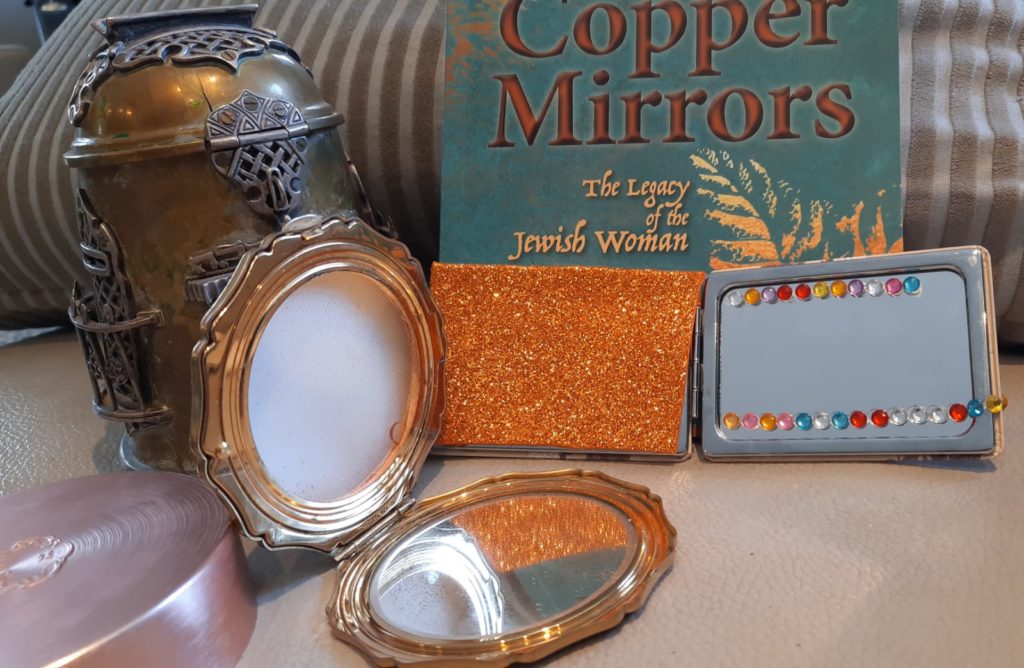
2) LEGO building- Use Lego to build the Mishkan or vessels in the Mishkan. A great activity for kids, parents and grandparents over Shabbat (it also elevates Lego to a higher level!)
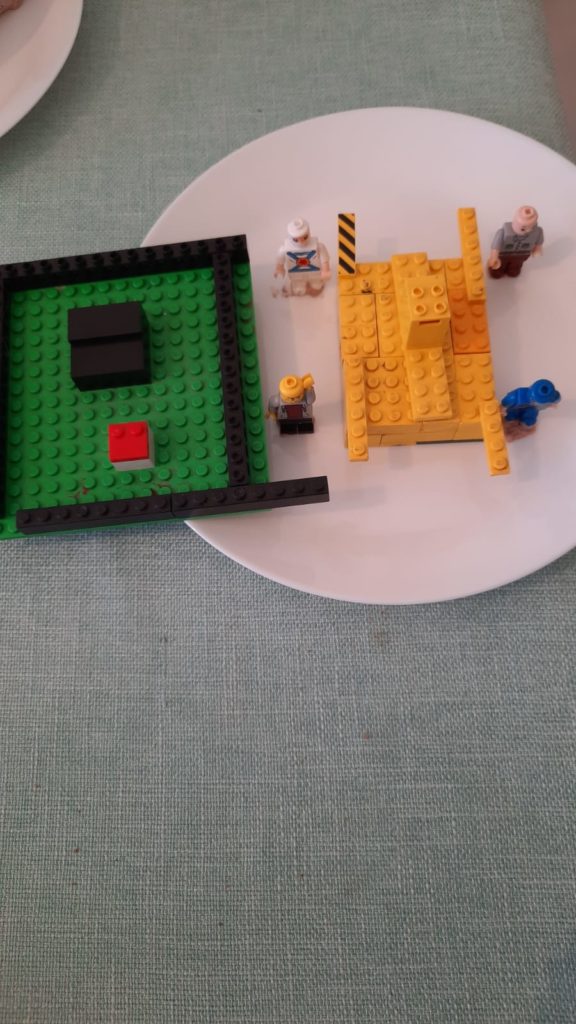
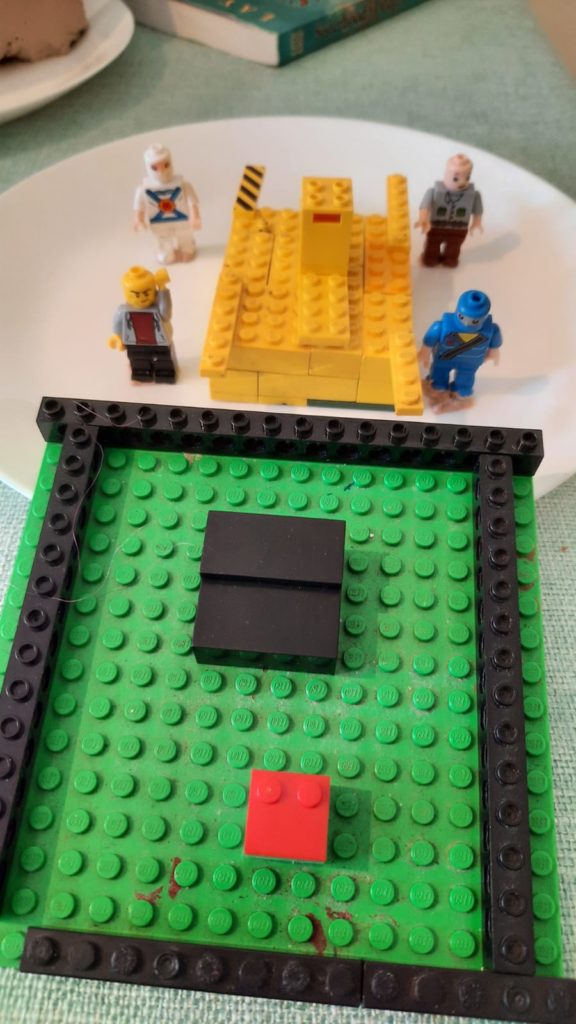
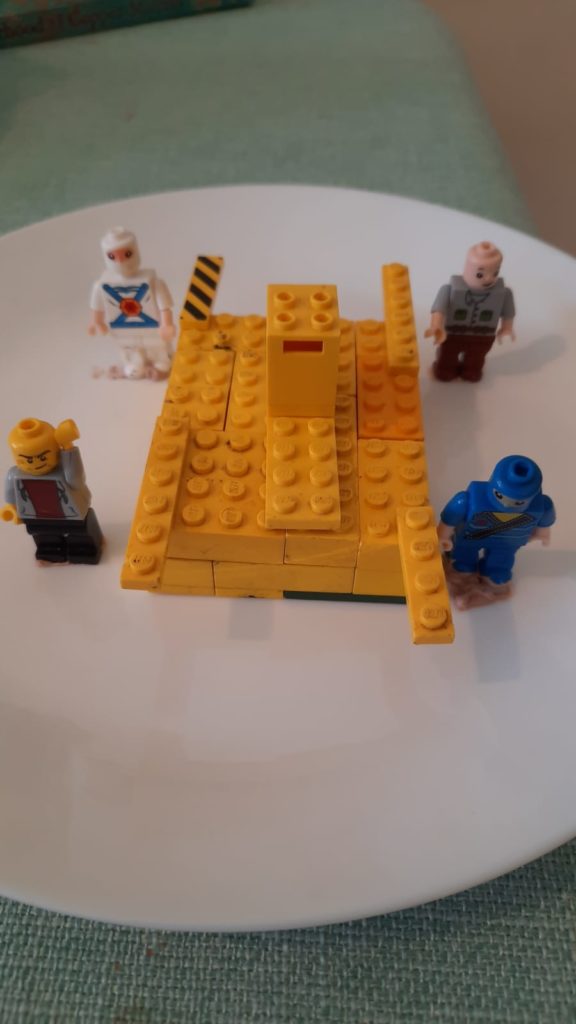
FUN FOODS
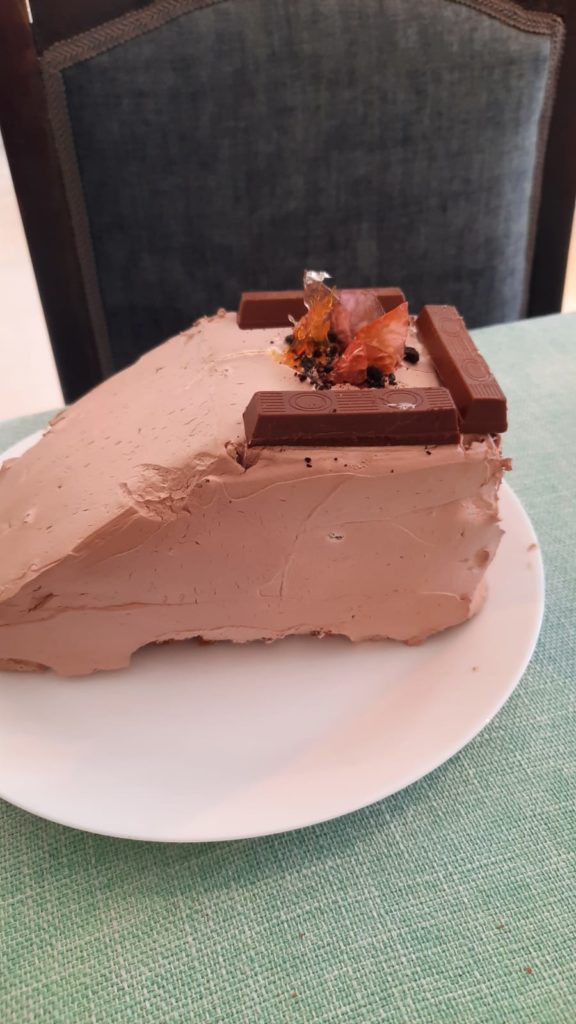
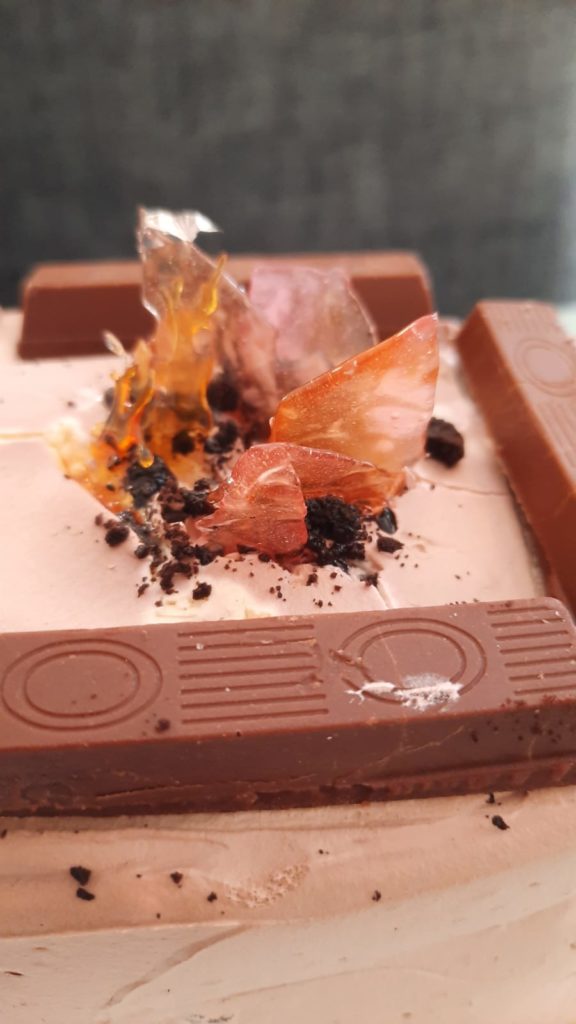
Make a ‘Table/ Mishkan Cake’- (see the picture!)
It’s a different shaped cake – still yummy…
And a conversation piece for the Shabbat table and a tasty dessert!
Chazak Chazak ve NitchazeK- Be Strong, Be Strong and Let Us Be Strengthened!
Don’t forget to watch the Parsha video:
Have a great Shabbat!
Safta Laya
Great things from Layas/Leahs of the world:
Sisterhood of the Copper Mirrors, the Legacy of the Jewish Woman by Laya Saul:
Here are links for the books on Amazon:
US https://www.amazon.com/dp/0972322981
UK https://www.amazon.co.uk/dp/0972322981
Ketoret Set
(Sephirot blends based on the Ketoret according to Rabbi Yitzchak Luria zt”l.
Contact Leah Sand at habosem@netvision.net.il